
3D Printing: How It's Changing the World as We Know It
7 min read
28 Sep 2026
 By Aditi Sharma
3D printing, also known as additive manufacturing, is revolutionizing various industries by enabling the creation of complex objects layer by layer from digital designs. This article explores the transformative impact of 3D printing, its applications across different sectors, and its potential to reshape manufacturing and innovation.
Understanding 3D Printing
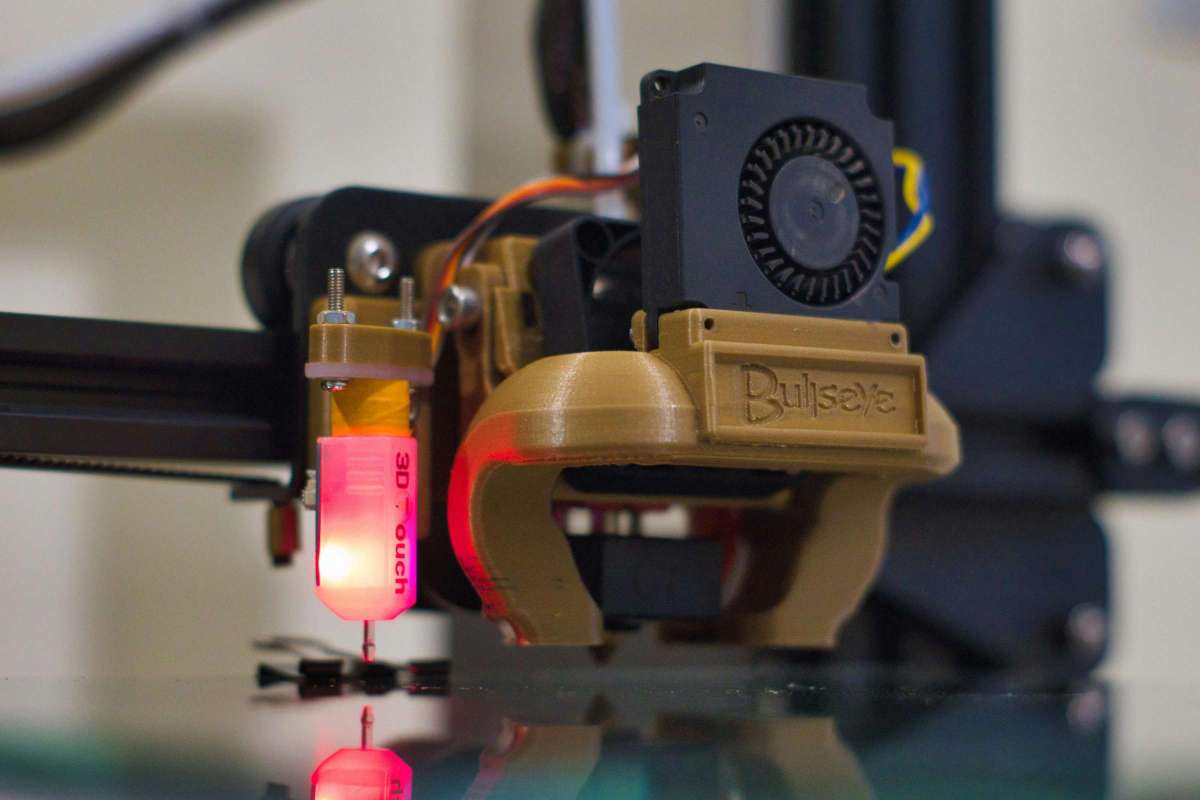
Layered Manufacturing: Building objects by depositing materials layer by layer, guided by digital blueprints or CAD models.
Material Options: Utilizing a wide range of materials, including plastics, metals, ceramics, and composites, to achieve diverse functionalities and properties.
Printing Processes: Employing techniques such as fused deposition modeling (FDM), stereolithography (SLA), selective laser sintering (SLS), and binder jetting to create precise, customized parts.
Post-Processing: Finishing printed objects through processes like curing, polishing, or painting to meet specific requirements.
Applications Across Industries
Healthcare: Producing personalized medical devices, prosthetics, and implants tailored to individual patient needs.
Automotive: Rapid prototyping of vehicle parts, tooling, and components for testing and production optimization.
Aerospace: Manufacturing lightweight, complex aircraft components, reducing weight and improving fuel efficiency.
Consumer Goods: Customizing products such as jewelry, fashion accessories, and home décor items with intricate designs and textures.
Impact on Manufacturing and Innovation
Speed and Efficiency: Accelerating product development cycles and reducing time-to-market through rapid prototyping and on-demand production.
Design Freedom: Empowering designers to explore creative designs and geometries that were previously impossible or costly to produce.
Sustainability: Minimizing material waste and energy consumption compared to traditional manufacturing methods.
Localized Production: Facilitating decentralized manufacturing and reducing reliance on global supply chains.
Challenges and Considerations
Material Limitations: Overcoming challenges related to material properties, durability, and performance in specific applications.
Quality Assurance: Ensuring consistent quality and reliability of printed parts through rigorous testing and validation processes.
Regulatory Compliance: Addressing regulatory requirements and standards for safety, quality, and environmental impact.
Future Outlook
As 3D printing technology continues to evolve with advancements in materials science, printing processes, and software capabilities, its adoption across industries is expected to grow. With ongoing innovation and integration into manufacturing workflows, 3D printing is poised to drive new levels of customization, efficiency, and sustainability in the global economy.
FAQs
More Articles

Adventure 1 Electric Camper: Exploring the Outdoors in Comfort and Eco-Friendly Style
3 min read | 29 Jun 2026

DJI Air 3: Dual Camera Drone - Capturing Aerial Adventures in Style
4 min read | 28 Jun 2026

LG Suitcase TV: A Portable Entertainment Center for Travelers
3 min read | 27 Jun 2026

DJI Avata: The Future of Personal Transportation Takes Flight
4 min read | 26 Jun 2026
More Articles

Blockchain for Developers: Unveiling the Building Blocks of a New Era
5 min read | 23 Oct 2026

Investors Take Note: The Potential of Blockchain Investments
7 min read | 22 Oct 2026

Blockchain for Entrepreneurs: Building the Future of Business
6 min read | 21 Oct 2026

The Privacy Paradox: Balancing Security with Transparency in Blockchain
4 min read | 20 Oct 2026