
Artificial Intelligence in Wildlife Conservation
5 min read
27 Aug 2026
 By Neha Jain
Artificial intelligence (AI) is revolutionizing wildlife conservation efforts by enhancing monitoring, protection, and management of endangered species and ecosystems.
Monitoring Endangered Species
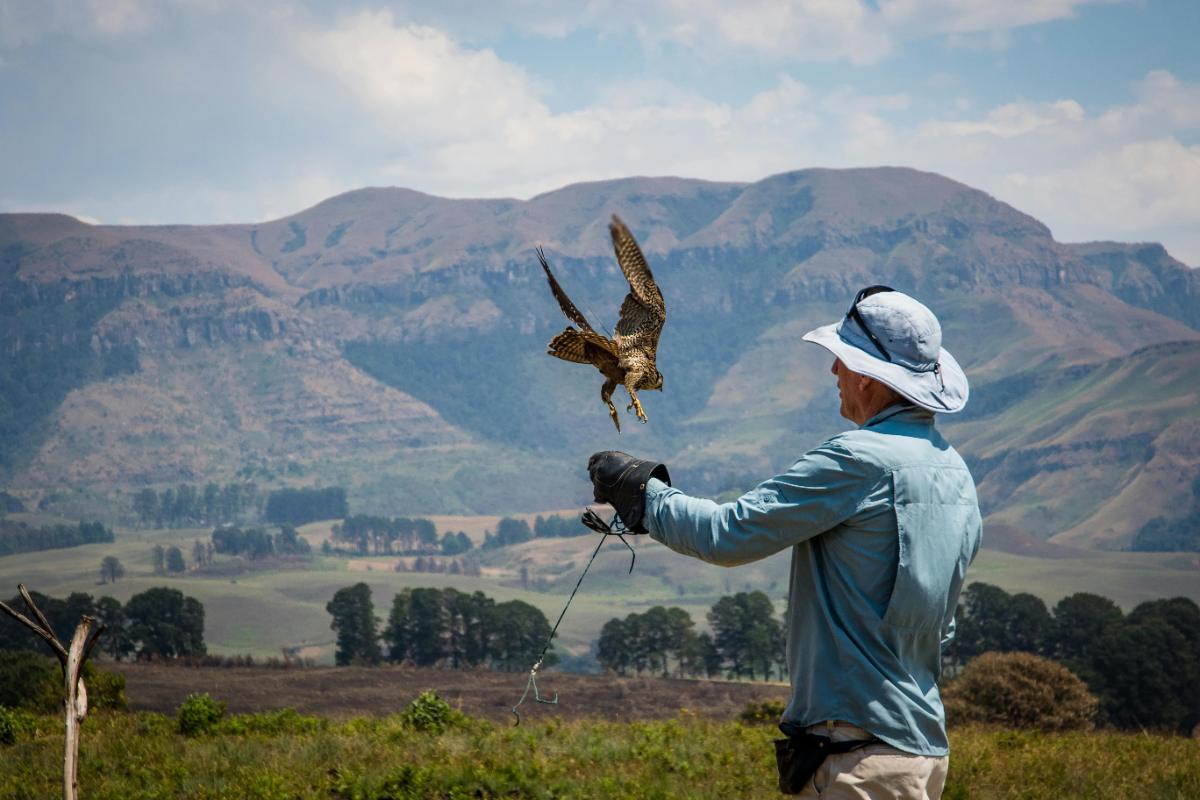
AI-powered camera traps and drones enable real-time monitoring of wildlife populations, helping conservationists track movements and assess population health.
Anti-Poaching Measures
AI algorithms analyze sensor data to detect and predict poaching activities, enabling rapid response and enforcement of wildlife protection laws.
Habitat Restoration and Management
Machine learning models analyze satellite imagery and sensor data to identify habitat degradation trends and optimize conservation strategies.
Predictive Analytics for Conservation Planning
AI algorithms predict species distribution changes due to climate change, guiding proactive conservation efforts and adaptive management strategies.
Challenges and Ethical Considerations
Addressing challenges such as data quality, algorithm biases, and ethical concerns around AI use in wildlife conservation is crucial for sustainable and effective conservation practices.
Future Directions
Integration of AI with IoT (Internet of Things) and blockchain technologies holds promise for enhancing transparency, efficiency, and collaboration in global wildlife conservation initiatives.
Conclusion
In conclusion, artificial intelligence is a powerful tool for wildlife conservation, enabling data-driven decision-making and innovative solutions to protect biodiversity and ensure a sustainable future for ecosystems and species.
FAQs
More Articles

Unraveling the Black Box: Understanding Transparency in AI & ML
5 min read | 29 Sep 2026

AI Odyssey: Journeying through the Realm of Machine Learning
7 min read | 28 Sep 2026

The Quantum Leap: AI & ML Redefining Possibilities
6 min read | 27 Sep 2026

Data Symphony: Harmonizing AI and ML for Innovation
7 min read | 26 Sep 2026
More Articles