
Exploring Private Keys and Their Importance in Cryptocurrency Security
2 min read
19 Sep 2026
 By Aditi Sharma
Private keys are fundamental to cryptocurrency security, serving as the gateway to access and control digital assets stored on blockchain networks. Unlike public keys used for transactions, private keys must be kept confidential and secure to prevent unauthorized access and potential loss of funds.
A private key is a randomly generated string of alphanumeric characters, typically 256 bits long, that acts as a digital signature for transactions. It mathematically links to a corresponding public key but should never be shared or exposed.
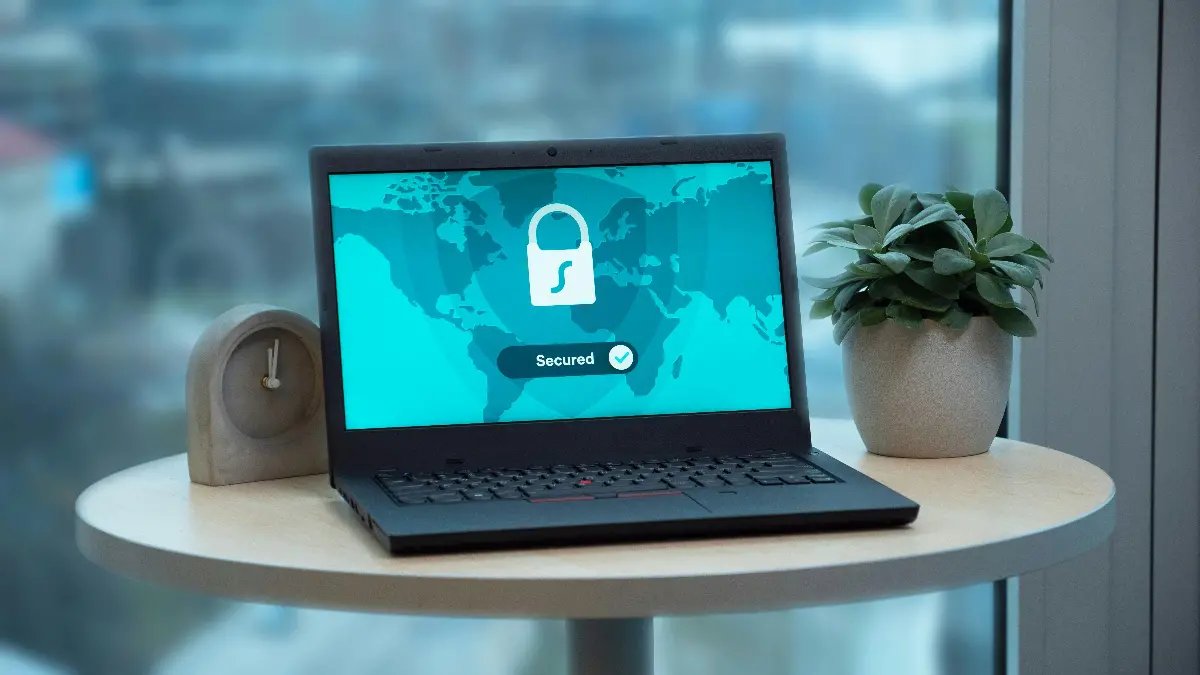
The importance of private keys lies in their role as the sole means to authorize cryptocurrency transactions. Ownership and control of digital assets are tied directly to the possession and management of private keys. Losing or compromising a private key can result in irreversible loss of funds, as there is no centralized authority to recover or reset access.
Best practices for managing private keys include storing them securely offline in hardware wallets or encrypted digital vaults. Hardware wallets, such as Ledger or Trezor, offer enhanced security by keeping private keys isolated from internet-connected devices, reducing the risk of hacking or malware attacks.
Backup strategies are crucial to safeguard against loss or damage of private keys. Users should create encrypted backups stored in multiple secure locations, such as USB drives or paper wallets. It's essential to regularly update backups and test restoration procedures to ensure accessibility.
Cryptocurrency exchanges and online wallets also manage private keys on behalf of users, offering convenience but potentially exposing funds to security risks. Trustworthy platforms implement robust security measures, such as multi-signature authentication and cold storage, to protect user assets.
In summary, private keys are pivotal to cryptocurrency security, providing ownership and control over digital assets. Understanding their significance and implementing stringent security practices are essential for safeguarding funds and mitigating risks associated with digital asset management.
FAQs
More Articles

Augmented Reality Fashion: Try Before You Buy and Beyond
5 min read | 08 Nov 2026

The Art of Storytelling: Immersive Narratives in Augmented Reality
5 min read | 07 Nov 2026

Holo-Homes: How AR and VR are Redefining Interior Design
7 min read | 06 Nov 2026

Beyond the Screen: Exploring AR and VR in Everyday Life
7 min read | 05 Nov 2026
More Articles

AI in Mental Health: Virtual Therapists and Predictive Diagnostics
5 min read | 02 Nov 2026

Machine Learning in Supply Chain Management: Optimization and Efficiency
6 min read | 01 Nov 2026

AI in Marketing: Targeted Advertising and Customer Insights
5 min read | 31 Oct 2026

The Role of AI in Enhancing Public Safety and Law Enforcement
5 min read | 30 Oct 2026