
Geofencing: The Technology That Knows Where You Are and What You Need
5 min read
12 Oct 2026
 By Lewis Adam
Geofencing is a location-based technology that creates virtual boundaries or zones around real-world geographic areas. This article explores the applications, benefits, challenges, technologies, and future trends of geofencing.
Applications of Geofencing
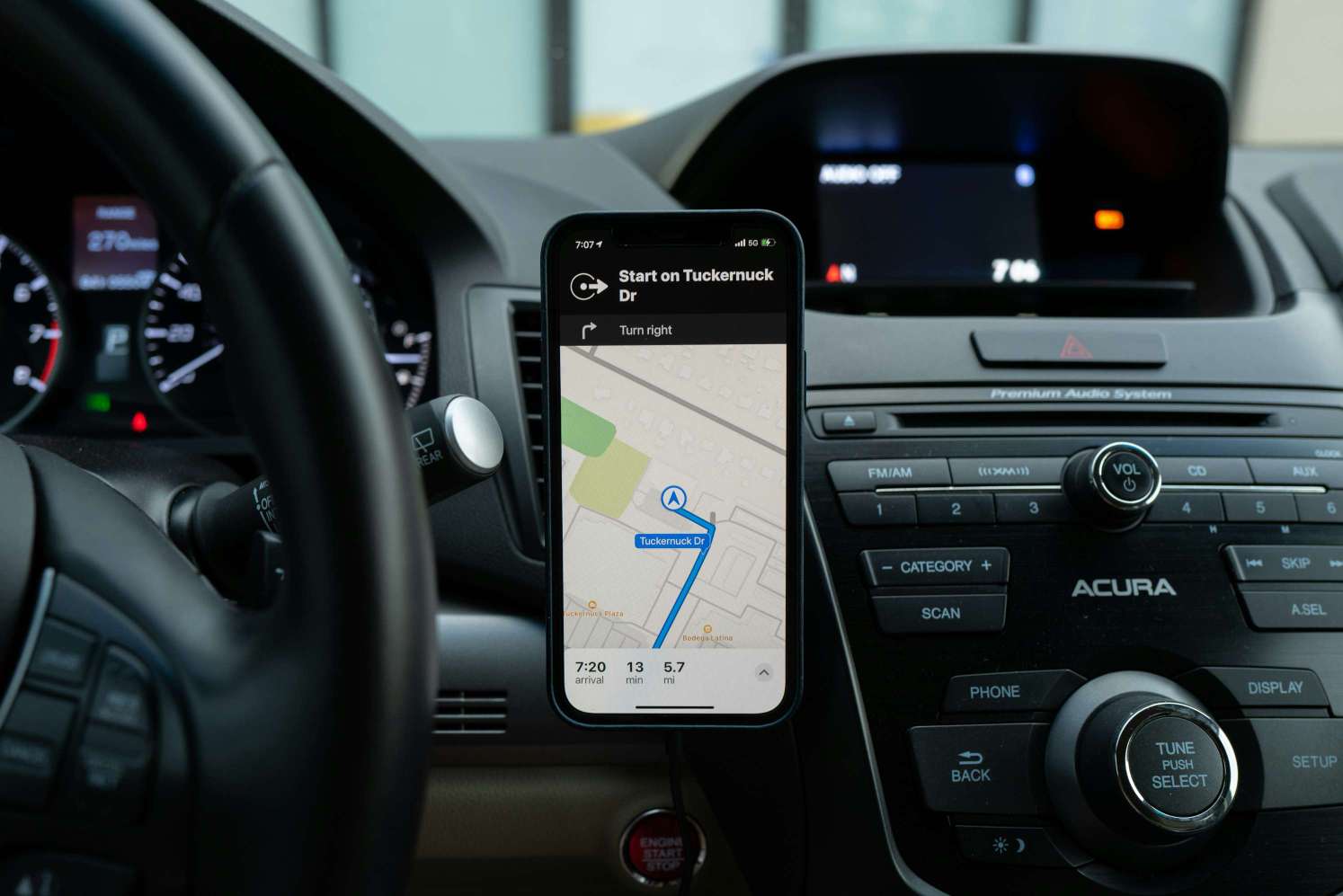
Retail and Marketing: Sending targeted promotions, discounts, and notifications to customers when they enter predefined geographical areas, such as stores or events.
Fleet Management: Monitoring and optimizing vehicle routes, deliveries, and maintenance based on real-time location data and geofence triggers.
Security and Surveillance: Notifying authorities or businesses of unauthorized entries or exits in restricted areas, enhancing perimeter security.
Benefits and Impact
Personalized Customer Engagement: Enhancing user experience with location-based notifications, offers, and services tailored to individual preferences and behaviors.
Operational Efficiency: Improving logistics, resource allocation, and workforce management through real-time monitoring and automated alerts.
Safety and Security: Enhancing situational awareness, emergency response, and asset protection with geofencing-enabled alerts and notifications.
Challenges and Considerations
Battery Life and Performance: Optimizing mobile device battery usage and minimizing system impact when continuously monitoring geofence boundaries and triggers.
Privacy Concerns: Addressing user privacy issues related to location tracking, data storage, and sharing of personal information with third-party applications and services.
Accuracy and Reliability: Ensuring geofencing systems accurately detect and respond to location-based triggers in various environments and conditions.
Technologies Behind Geofencing
GPS and Location Services: Using GPS signals and location data to establish virtual boundaries and trigger actions based on a device's proximity to geofenced areas.
RFID and NFC Tags: Implementing radio frequency identification (RFID) or near-field communication (NFC) technology for tracking assets, vehicles, or individuals within specific zones.
Mobile App Integration: Integrating geofencing capabilities into mobile applications for seamless user interactions, location-based services, and contextual marketing.
Future Trends in Geofencing
Integration with AI and Machine Learning: Enhancing geofencing applications with predictive analytics, behavioral insights, and automated decision-making for personalized experiences.
Smart City Initiatives: Supporting urban planning, transportation management, and public safety with geofencing solutions integrated into smart city infrastructure.
Blockchain Technology: Securing geofencing data integrity, enhancing transparency in location-based transactions, and enabling decentralized control over geospatial information.
Conclusion
Geofencing technology continues to redefine location-based interactions, offering businesses and consumers new opportunities for personalized engagement, operational efficiency, and safety. As geofencing capabilities evolve and integrate with emerging technologies, they are poised to play a pivotal role in shaping the future of connected environments and digital experiences.
FAQs
More Articles
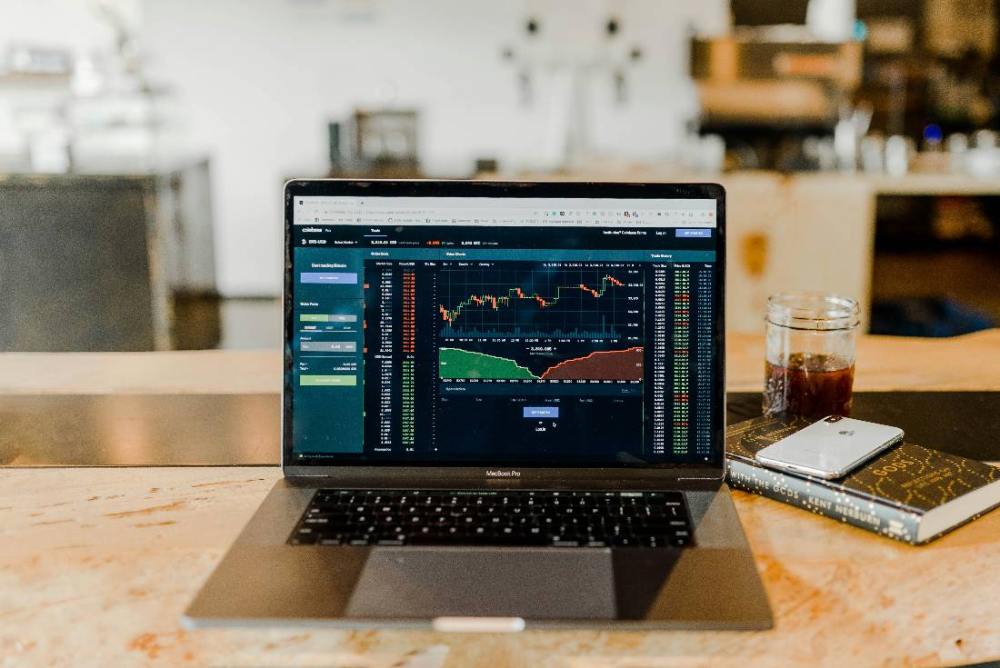
Cryptocurrency Regulation: Balancing Innovation and Compliance
6 min read | 29 Sep 2026

Smart Contracts in Automating Business
4 min read | 28 Sep 2026
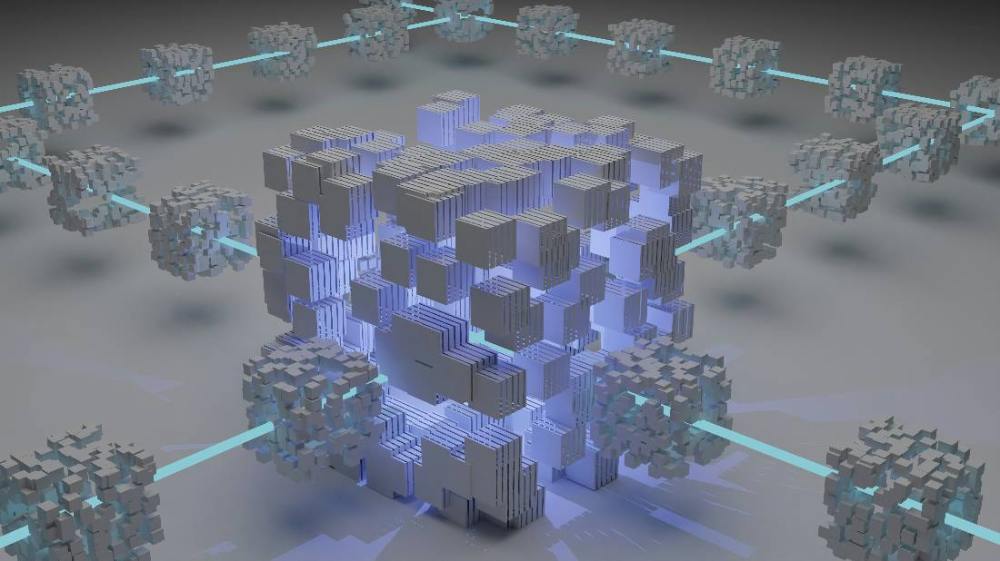
Blockchain Interoperability: Connecting the Future of Decentralized Networks
7 min read | 27 Sep 2026

Oracles in Blockchain: Bridging the Gap Between Smart Contracts and Real-World Data
4 min read | 26 Sep 2026
More Articles

Virtual Reality Therapy: The Potential for Mental Health Treatment
4 min read | 28 Oct 2026

AR and VR in Sports: Enhancing Performance and Fan Engagement
6 min read | 27 Oct 2026

Transforming Tourism: AR and VR Experiences in Travel
3 min read | 26 Oct 2026
Augmented Reality Marketing: Engaging Consumers in New Ways
6 min read | 25 Oct 2026