
Omnichannel Retail: The Future of Shopping Unveiled
4 min read
15 Oct 2026
 By Prince Matthews
Omnichannel retail integrates multiple sales and marketing channels to provide a seamless shopping experience for consumers. This article explores the evolution, benefits, challenges, and future trends of omnichannel retailing.
Evolution of Omnichannel Retail

From Multichannel to Omnichannel: Transitioning from independent online and offline channels to a unified approach that integrates various platforms for consistent customer experiences.
Digital Transformation: Embracing technology to synchronize inventory, pricing, promotions, and customer data across all channels, blurring the lines between online and physical retail spaces.
Customer-Centric Approach: Focusing on enhancing customer satisfaction by offering convenience, personalization, and flexibility in shopping experiences.
Benefits of Omnichannel Retail
Seamless Shopping Experience: Allowing customers to browse, purchase, and return items across multiple channels seamlessly, enhancing convenience and satisfaction.
Improved Customer Insights: Gathering comprehensive data on customer behavior, preferences, and interactions across channels to optimize marketing strategies and personalize offerings.
Enhanced Brand Loyalty: Building stronger relationships with customers through consistent experiences and personalized engagement across their preferred channels.
Challenges in Omnichannel Implementation
Integration Complexity: Overcoming technical challenges in integrating diverse systems, platforms, and data sources to ensure seamless operations and customer experiences.
Data Management: Handling large volumes of customer data while maintaining accuracy, security, and compliance with data privacy regulations.
Operational Alignment: Aligning organizational processes, resources, and strategies to support omnichannel initiatives and deliver cohesive experiences across channels.
Future Trends in Omnichannel Retail
AI and Predictive Analytics: Leveraging artificial intelligence and machine learning to predict customer behavior, optimize inventory, and personalize marketing efforts across channels.
Augmented Reality (AR) and Virtual Reality (VR): Enhancing online shopping experiences with virtual try-ons, interactive product displays, and immersive brand engagements.
Voice Commerce: Integrating voice-activated shopping through virtual assistants and smart devices to enable seamless transactions and enhance convenience for consumers.
Conclusion
Omnichannel retailing represents the future of shopping by offering integrated, personalized, and convenient experiences that meet the evolving expectations of modern consumers. As retailers continue to innovate and embrace digital transformation, omnichannel strategies will play a pivotal role in driving growth, customer loyalty, and competitive advantage in the retail industry.
FAQs
More Articles

The Rise of NFTs: How Blockchain is Revolutionizing Digital Ownership
5 min read | 18 Nov 2026

Blockchain in Supply Chain Management: Enhancing Transparency and Efficiency
5 min read | 17 Nov 2026

The Future of Decentralized Finance (DeFi): What’s Next for Blockchain Innovations?
6 min read | 16 Nov 2026

How Blockchain is Transforming the Financial Sector: Beyond Cryptocurrencies
7 min read | 15 Nov 2026
More Articles
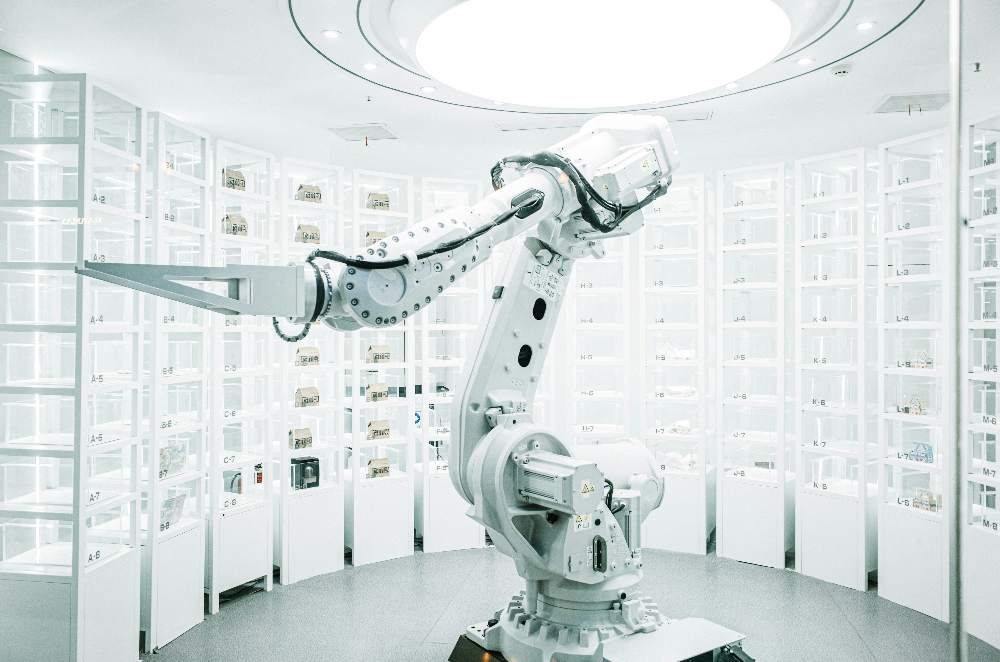
Data Symphony: Harmonizing AI and ML for Innovation
5 min read | 26 Sep 2026

AI Governance: Policies and Regulations for AI Development
2 min read | 25 Sep 2026

AI in Agriculture: Improving Crop Yield and Sustainability
4 min read | 24 Sep 2026

AI in Gaming: Creating Realistic Virtual Worlds
2 min read | 23 Sep 2026