
Smart Infrastructure: Enhancing Urban Resilience with Technology
6 min read
22 Aug 2026
 By Sayan Gosh
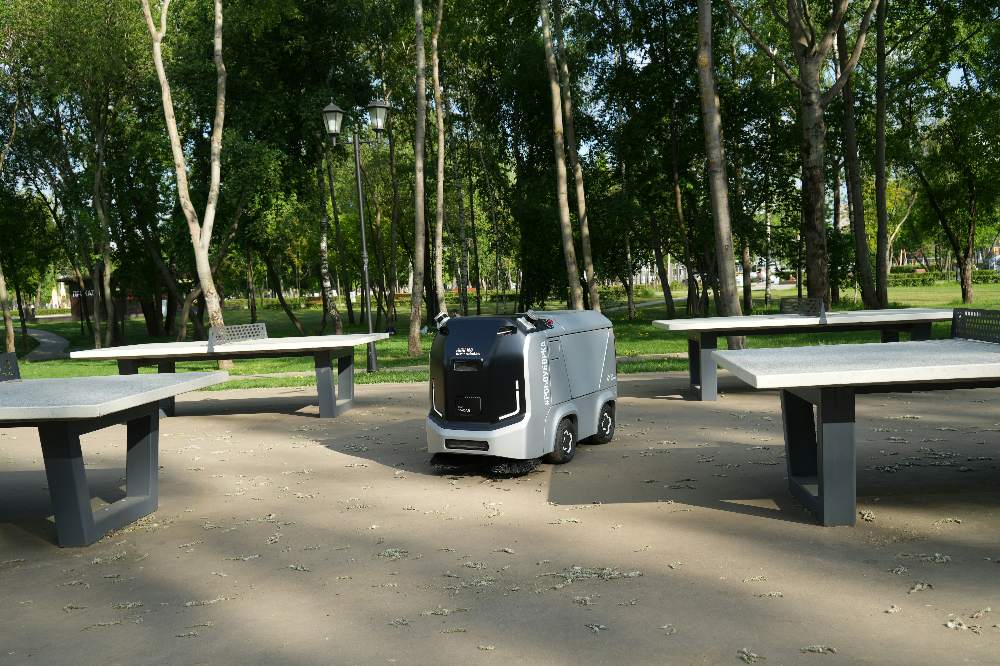
Smart infrastructure integrates advanced technologies to enhance urban resilience, sustainability, and efficiency, addressing modern challenges and improving quality of life.
IoT and Sensor Networks

IoT-enabled sensors collect real-time data on traffic flow, air quality, energy consumption, and infrastructure conditions, enabling proactive maintenance and optimized resource management.
Smart Grid and Energy Management
Smart grids monitor and manage energy distribution efficiently, integrating renewable energy sources, storage systems, and demand-response mechanisms to enhance grid reliability and sustainability.
Connected Transportation Systems
Connected vehicles, smart traffic lights, and predictive analytics optimize traffic flow, reduce congestion, and improve commuter safety through real-time data sharing and adaptive control systems.
Resilient Water Management
Smart water grids monitor water quality, detect leaks, and manage distribution networks effectively, ensuring reliable access to clean water while conserving resources and mitigating environmental risks.
Urban Planning and Digital Twins
Digital twins simulate urban environments, infrastructure performance, and scenarios for informed decision-making, supporting sustainable development, disaster preparedness, and infrastructure resilience.
Cybersecurity and Data Privacy
Robust cybersecurity measures protect smart infrastructure from cyber threats, ensuring data integrity, privacy compliance, and secure operations of interconnected systems and IoT devices.
Community Engagement and Stakeholder Collaboration
Engaging citizens, businesses, and stakeholders in smart city initiatives fosters transparency, inclusivity, and co-creation of urban solutions that address local needs and enhance social resilience.
Challenges and Future Directions
Overcoming challenges such as interoperability, scalability, funding constraints, and regulatory frameworks will drive innovation in smart infrastructure, shaping future urban resilience strategies.
Conclusion
In conclusion, smart infrastructure empowers cities to build resilience, achieve sustainability goals, and enhance quality of life through technology-driven solutions that optimize resources, improve services, and prepare for future challenges.
FAQs
More Articles
AI & ML for Smart Cities: Building Sustainable Urban Environments
5 min read | 04 Oct 2026

AI & ML in Retail: Personalization and Predictive Analytics for Customer Engagement
6 min read | 03 Oct 2026

AI & ML for Social Good: Harnessing Technology to Solve Global Challenges
3 min read | 02 Oct 2026

AI-Powered Creativity: Exploring the Intersection of Art and Machine Learning
6 min read | 01 Oct 2026
More Articles

How Blockchain is Enhancing Intellectual Property Rights and Protection
5 min read | 19 Nov 2026

The Evolution of Blockchain Consensus Mechanisms: From Proof of Work to Proof of Stake
7 min read | 18 Nov 2026

Blockchain for Social Good: How Technology is Addressing Global Challenges
5 min read | 17 Nov 2026

The Challenges of Scaling Blockchain Technology: Solutions and Innovations
5 min read | 16 Nov 2026