
Smart Manufacturing: The Future of Production is Here
5 min read
25 Sep 2026
 By Wilson Baker
Smart manufacturing represents a paradigm shift in industrial production, integrating advanced technologies such as IoT, AI, and automation to optimize processes, enhance efficiency, and drive innovation. This article delves into the transformative impact of smart manufacturing, its key technologies, and its role in shaping the future of industrial production.
Understanding Smart Manufacturing
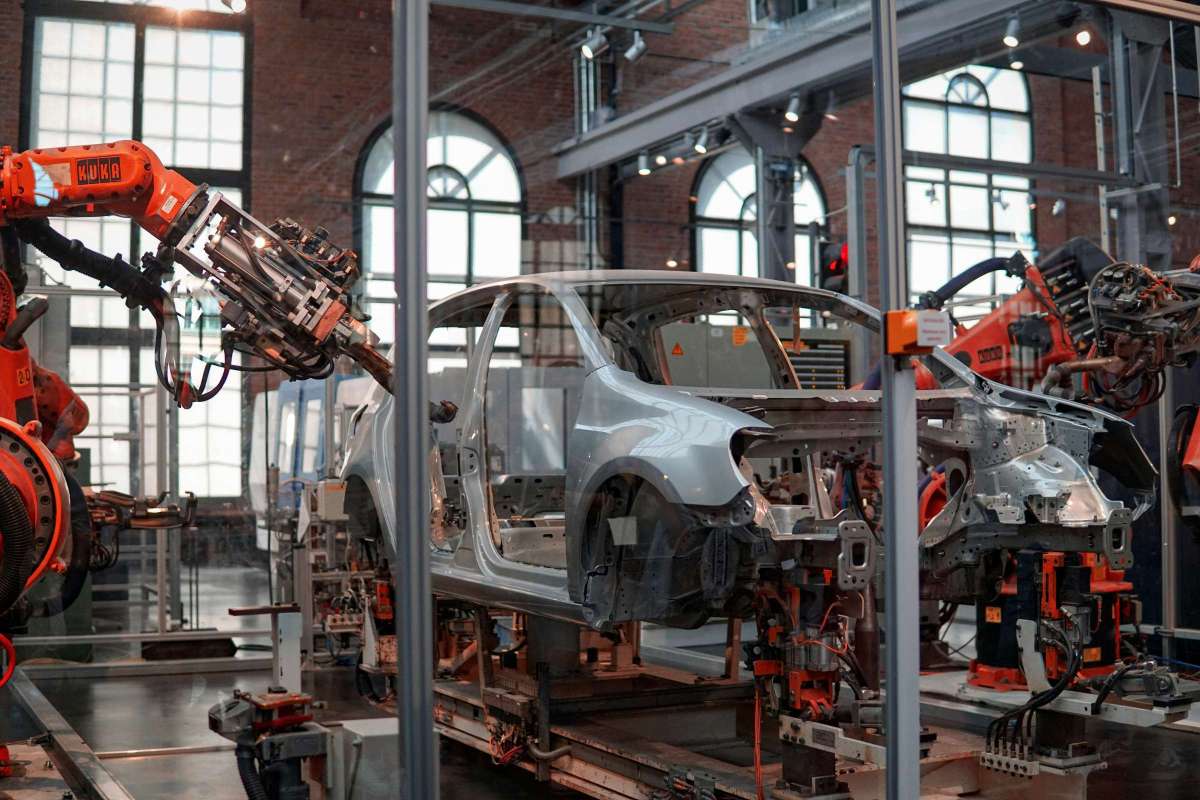
Smart manufacturing leverages interconnected systems and real-time data analytics to enable autonomous decision-making, predictive maintenance, and flexible production processes. By integrating digital technologies across the manufacturing value chain, organizations can achieve higher productivity, reduced costs, and improved quality control.
Key Technologies in Smart Manufacturing
Internet of Things (IoT): Connecting machines, devices, and sensors to collect and transmit real-time data for monitoring, analysis, and optimization of production processes.
Artificial Intelligence (AI): Utilizing machine learning algorithms to analyze data, optimize production schedules, predict equipment failures, and automate decision-making.
Robotics and Automation: Deploying robots and automated systems for repetitive tasks, assembly processes, material handling, and logistics management.
Additive Manufacturing: Adopting 3D printing technologies to create complex designs, reduce lead times, and customize products on-demand.
Benefits of Smart Manufacturing
Operational Efficiency: Streamlining workflows, reducing downtime, and optimizing resource utilization through predictive analytics and proactive maintenance strategies.
Quality Improvement: Enhancing product consistency, minimizing defects, and ensuring compliance with stringent quality standards through real-time monitoring and process control.
Agility and Flexibility: Adapting production schedules, responding to market demands, and accommodating customization requests with agile, responsive manufacturing capabilities.
Sustainability: Lowering energy consumption, minimizing waste generation, and adopting eco-friendly practices to support environmental conservation and regulatory compliance.
Challenges and Considerations
Data Security: Safeguarding sensitive manufacturing data, intellectual property, and operational insights from cyber threats, breaches, and unauthorized access.
Workforce Training: Addressing the need for upskilling employees to operate, maintain, and optimize smart manufacturing systems and technologies effectively.
Integration Complexity: Overcoming interoperability issues, standardizing protocols, and integrating disparate systems to ensure seamless connectivity and data exchange across the manufacturing ecosystem.
Future Outlook
As smart manufacturing continues to evolve with advancements in AI-driven automation, digital twins, and industrial IoT, it promises to redefine manufacturing processes, supply chain management, and customer engagement in the Industry 4.0 era. By embracing smart technologies and fostering innovation, organizations can unlock new opportunities for growth, competitiveness, and sustainable development in the global marketplace.
FAQs
More Articles

The Rise of Virtual Commerce: AR and VR in E-Commerce
6 min read | 17 Oct 2026

Exploring the Future: The Impact of AR and VR Technologies
6 min read | 16 Oct 2026

The Intersection of Blockchain and IoT: Creating a More Connected and Secure World
5 min read | 25 Nov 2026

How Blockchain is Driving the Future of Cross-Border Payments and Remittances
7 min read | 24 Nov 2026
More Articles

Exploring Virtual Worlds: The Promise of VR Gaming
2 min read | 24 Oct 2026

Designing the Future: The Use of AR and VR in Architecture and Design
5 min read | 23 Oct 2026
Training the Workforce: AR and VR in Corporate Learning and Development
4 min read | 22 Oct 2026

Navigating the World: AR and VR in Navigation and Mapping
3 min read | 21 Oct 2026