
The Future of Tech-Driven Transportation: Hyperloop and Beyond
6 min read
11 Aug 2026
 By Wilson Baker
Technology-driven transportation innovations are reshaping the future with revolutionary concepts like Hyperloop, promising faster, sustainable, and efficient travel solutions.
Hyperloop Technology: High-Speed Travel

Hyperloop utilizes magnetic levitation and low-pressure tubes to propel passenger pods at near-supersonic speeds, offering ultra-fast intercity and intra-city transportation options.
Sustainability and Energy Efficiency: Green Transportation
Hyperloop's energy-efficient design and use of renewable energy sources reduce carbon footprints, congestion, and travel times, promoting sustainable urban mobility and environmental conservation.
Urban Air Mobility (UAM): Aerial Transportation
UAM vehicles and flying taxis integrate electric propulsion, autonomous navigation, and vertical take-off and landing (VTOL) capabilities, revolutionizing urban commuting and aerial logistics.
Electric and Autonomous Vehicles: Smart Mobility Solutions
Electric vehicles (EVs) and autonomous cars leverage AI, IoT, and advanced sensors to enhance safety, efficiency, and connectivity, driving the adoption of smart city transportation networks.
Smart Infrastructure and IoT Integration: Connected Mobility
IoT-enabled infrastructure and smart traffic management systems optimize traffic flow, reduce congestion, and enhance safety through real-time data analytics and predictive maintenance.
Space Travel and Commercial Spaceflights: Beyond Earth
Commercial space companies pioneer space tourism, lunar missions, and interplanetary travel, expanding humanity's access to space and redefining global transportation and exploration.
Regulatory Challenges and Innovation: Policy and Safety
Regulatory frameworks address safety standards, airspace management, and ethical considerations for emerging transportation technologies, ensuring public trust and operational integrity.
Public Adoption and Economic Impact: Industry Growth
Public acceptance, investment in R&D, and government support accelerate technology adoption, foster industry growth, and stimulate economic opportunities in the global transportation sector.
Challenges and Future Outlook: Overcoming Barriers
Challenges such as infrastructure development, cybersecurity risks, regulatory alignment, and societal acceptance require collaborative efforts to realize the full potential of tech-driven transportation innovations.
Conclusion
In conclusion, the future of tech-driven transportation holds promise for hyper-connected, sustainable, and efficient mobility solutions that redefine travel experiences, enhance global connectivity, and shape the cities of tomorrow.
FAQs
More Articles

Edge Computing: Decentralizing Data for Faster Access
6 min read | 24 Nov 2026

The Impact of Social Media Algorithms: Benefits and Controversies
5 min read | 23 Nov 2026
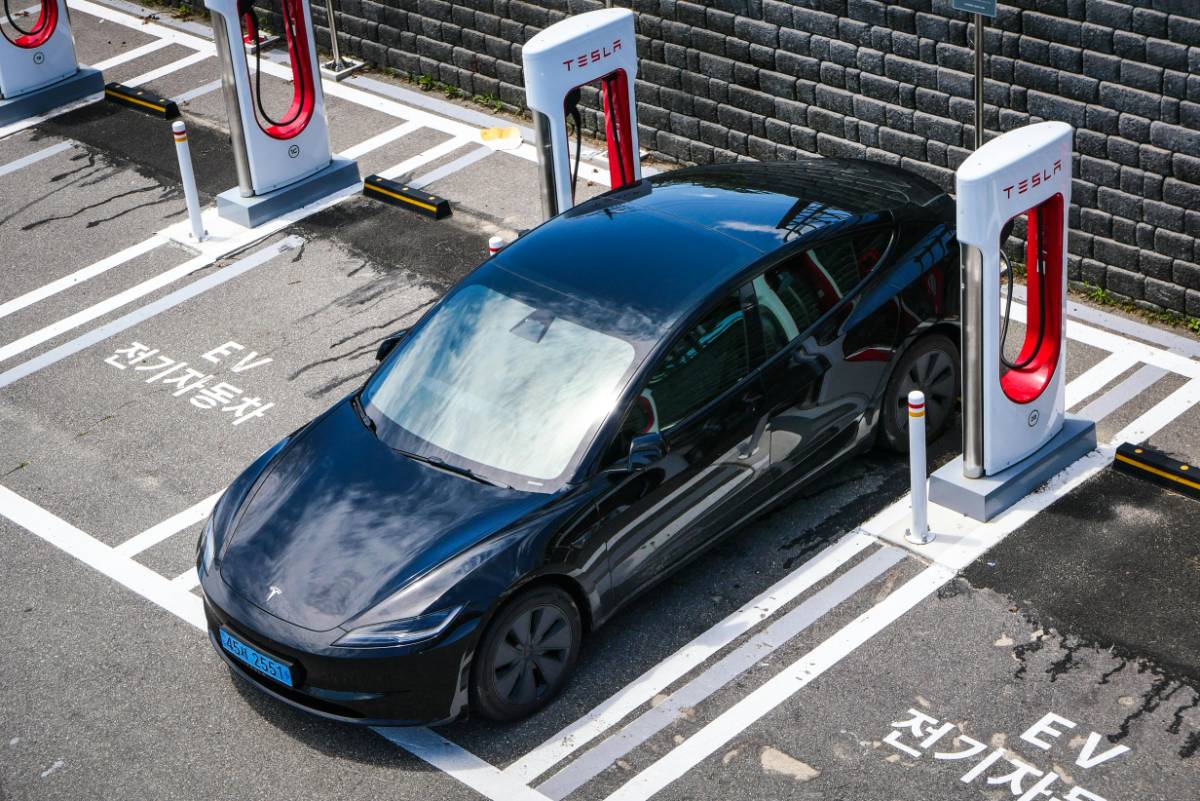
Autonomous Vehicles: The Road to a Driverless Future
3 min read | 22 Nov 2026

Wearable Tech: The Integration of Health and Technology
6 min read | 21 Nov 2026
More Articles

AR for Astronauts: Training for Space Exploration on Earth
5 min read | 14 Nov 2026
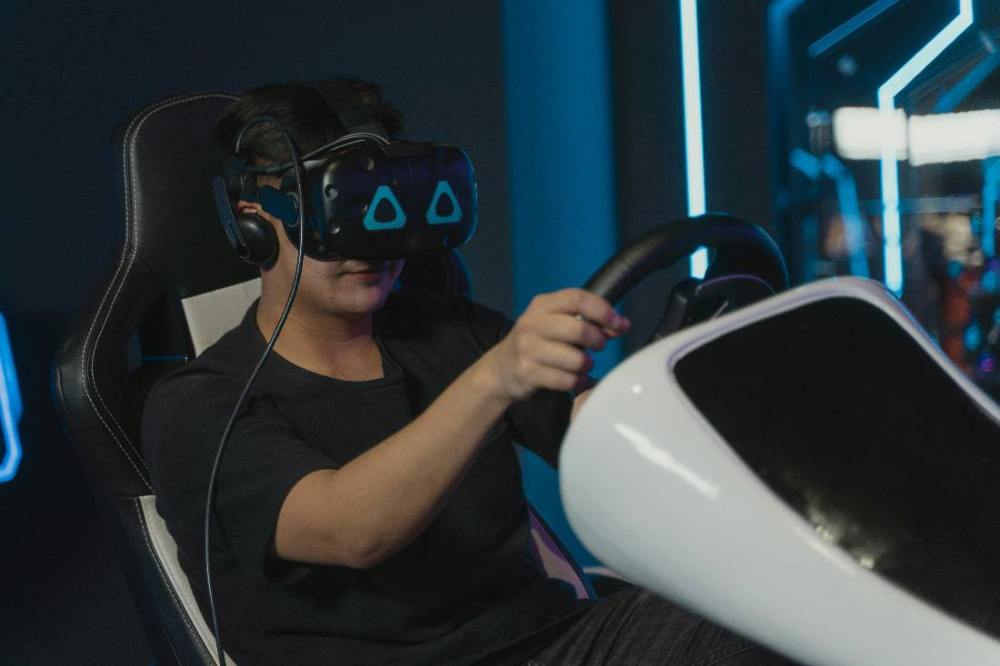
The Psychology of Presence: Why AR and VR Feel So Real
7 min read | 13 Nov 2026

AR-Enhanced Storybooks: Bringing Children's Literature to Life
5 min read | 12 Nov 2026

Virtual Renaissance: Reimagining Historical Events with VR
3 min read | 11 Nov 2026