
The Impact of 3D Bioprinting on Healthcare
5 min read
10 Aug 2026
 By Sayan Gosh
3D bioprinting technology is revolutionizing healthcare by enabling the fabrication of complex tissues, organs, and medical implants with unprecedented precision and customization.
Understanding 3D Bioprinting: Printing Living Structures
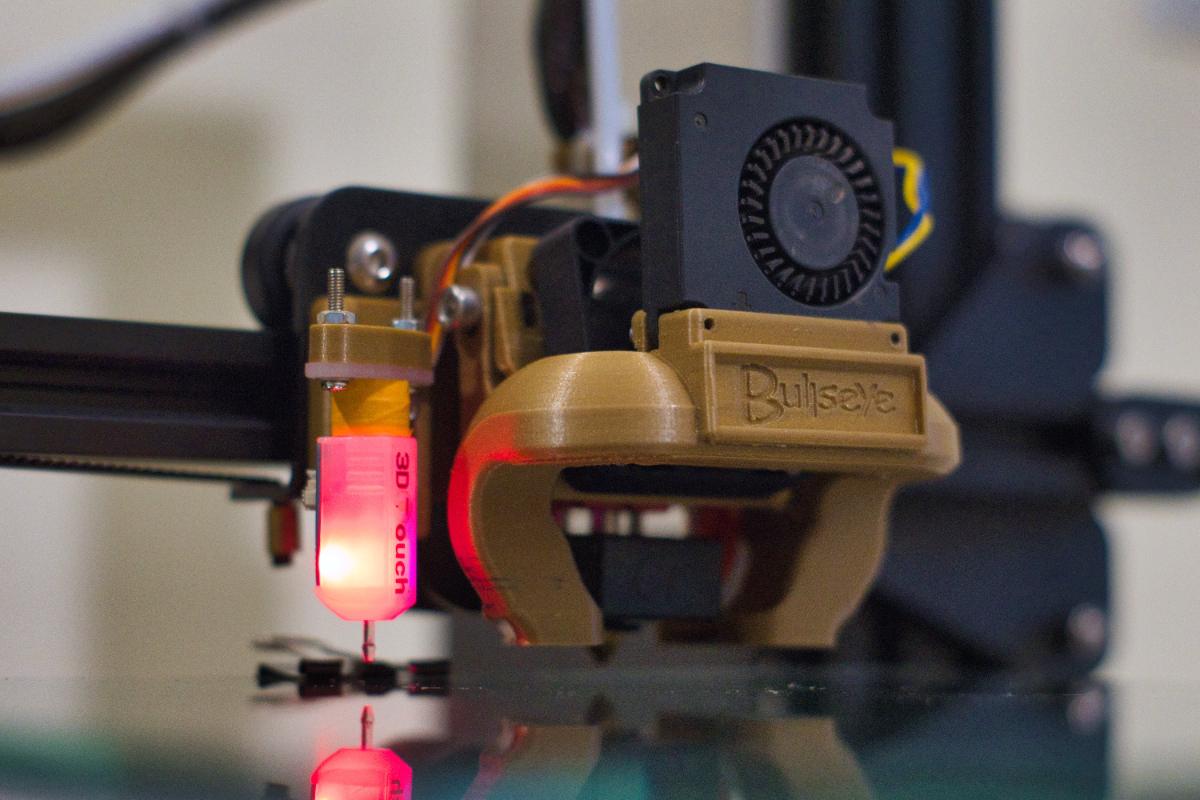
3D bioprinting uses bioinks and living cells to construct biomimetic tissues and organoids, replicating natural biological structures for medical research, drug testing, and transplantation.
Customized Medical Implants: Personalized Healthcare Solutions
Patient-specific implants, prosthetics, and surgical guides are tailored using 3D printing technology, enhancing treatment outcomes, reducing surgery times, and improving patient recovery.
Regenerative Medicine: Healing and Tissue Repair
Bioprinted tissues promote tissue regeneration, wound healing, and organ repair by delivering bioactive agents, cells, and growth factors to affected areas, advancing regenerative therapies.
Drug Development and Testing: Accelerating Research
3D bioprinted models simulate human tissues and organs to study disease mechanisms, evaluate drug efficacy, and personalize treatments, accelerating pharmaceutical research and development.
Surgical Training and Education: Enhancing Skills
Simulated surgical models and anatomical replicas aid medical training, surgical planning, and skill development, providing hands-on learning experiences for healthcare professionals.
Ethical and Regulatory Considerations: Guiding Principles
Ethical frameworks and regulatory standards ensure safety, quality control, and ethical use of 3D bioprinting technologies, addressing concerns about patient safety and bioethical implications.
Cost and Accessibility: Democratizing Healthcare Innovation
Advancements in 3D printing technology reduce production costs, improve accessibility to medical devices, and democratize healthcare innovation, benefiting underserved populations globally.
Challenges and Future Directions: Overcoming Barriers
Challenges such as vascularization, tissue integration, and scalability require interdisciplinary collaborations, technological advancements, and ongoing research to unlock the full potential of 3D bioprinting.
Future Applications: Bioprinting Complex Organs
Future trends include bioprinting functional organs, tissues with vascular networks, and biofabricated implants for patient-specific treatments, advancing personalized medicine and healthcare outcomes.
Conclusion
In conclusion, 3D bioprinting transforms healthcare by enabling personalized treatments, accelerating medical research, and paving the way for innovative therapies that improve patient care and quality of life.
FAQs
More Articles

The Future of Cloud Computing: Scalability and Security
5 min read | 17 Nov 2026

Green Tech Innovations: Sustainable Solutions for the Tech Industry
5 min read | 16 Nov 2026

Edge Computing: Decentralizing Data for Faster Access
5 min read | 24 Nov 2026

The Impact of Social Media Algorithms: Benefits and Controversies
4 min read | 23 Nov 2026
More Articles

Empowering Accessibility: AR and VR for People with Disabilities
4 min read | 01 Nov 2026

AR and VR in Industrial Applications: Innovations in Manufacturing
4 min read | 31 Oct 2026

Revolutionizing Retail: AR and VR Experiences in Shopping
3 min read | 30 Oct 2026

The Art of Immersion: AR and VR in Creative Industries
6 min read | 29 Oct 2026