
Quantum Computing's Potential to Solve Complex Game Algorithms
3 min read
09 Oct 2026
 By Aditi Sharma
Quantum computing represents a paradigm shift in computing power, offering unparalleled potential to solve complex algorithms in gaming and beyond. This article explores the transformative impact of quantum computing on game algorithms, its applications in gaming scenarios, and the future implications for the industry.
Quantum Computing Fundamentals: Quantum computing harnesses quantum mechanics principles to perform computations at speeds and scales impossible for classical computers. Quantum bits, or qubits, can exist in multiple states simultaneously, enabling quantum computers to explore vast solution spaces and solve complex problems more efficiently.

Complex Game Algorithms: In gaming, quantum computing can revolutionize the optimization of complex algorithms, such as pathfinding, procedural generation, and real-time strategy decision-making. Quantum algorithms can explore numerous possibilities simultaneously, leading to faster and more effective solutions to in-game challenges.
Real-Time Decision Making: Quantum computing's ability to process vast amounts of data in parallel makes it ideal for real-time decision-making in games. For example, AI-driven opponents can adapt their strategies dynamically based on player actions, environmental changes, and evolving game states, enhancing the realism and challenge of gameplay.
Optimization and Simulation: Quantum computers excel in optimizing simulations and modeling complex systems, which are crucial in gaming for physics simulations, environmental interactions, and virtual worlds. These capabilities enable more realistic and immersive gaming experiences that respond dynamically to player interactions and environmental variables.
Security and Encryption: Quantum computing also impacts gaming through enhanced security measures and encryption protocols. Quantum-resistant cryptography protects player data, transactions, and in-game communications from potential threats, ensuring a secure gaming environment as quantum computing becomes more prevalent.
Challenges and Considerations: Despite its potential, quantum computing faces significant challenges such as qubit stability, error correction, and scalability. Building practical quantum computers capable of reliably solving complex gaming algorithms remains a formidable task, requiring ongoing research and development efforts.
Future Prospects: The future of quantum computing in gaming is promising, with anticipated advancements in qubit coherence, error correction techniques, and algorithm development. As quantum technology matures, it will unlock new possibilities for game developers, enabling innovative gameplay mechanics, AI enhancements, and immersive gaming experiences.
Ethical and Regulatory Implications: As with any transformative technology, quantum computing raises ethical and regulatory considerations in gaming. Issues such as fairness in AI-driven gameplay, data privacy, and the responsible use of quantum resources will require thoughtful policies and frameworks to ensure ethical standards and consumer trust.
In conclusion, quantum computing holds immense promise for solving complex game algorithms, enhancing gameplay dynamics, and advancing security measures in gaming. As quantum technology continues to evolve, its impact on gaming will extend beyond computational efficiency to redefine how games are designed, played, and experienced in the future.
FAQs
More Articles

Digital Fabrication: Crafting the Future One Layer at a Time
4 min read | 29 Sep 2026
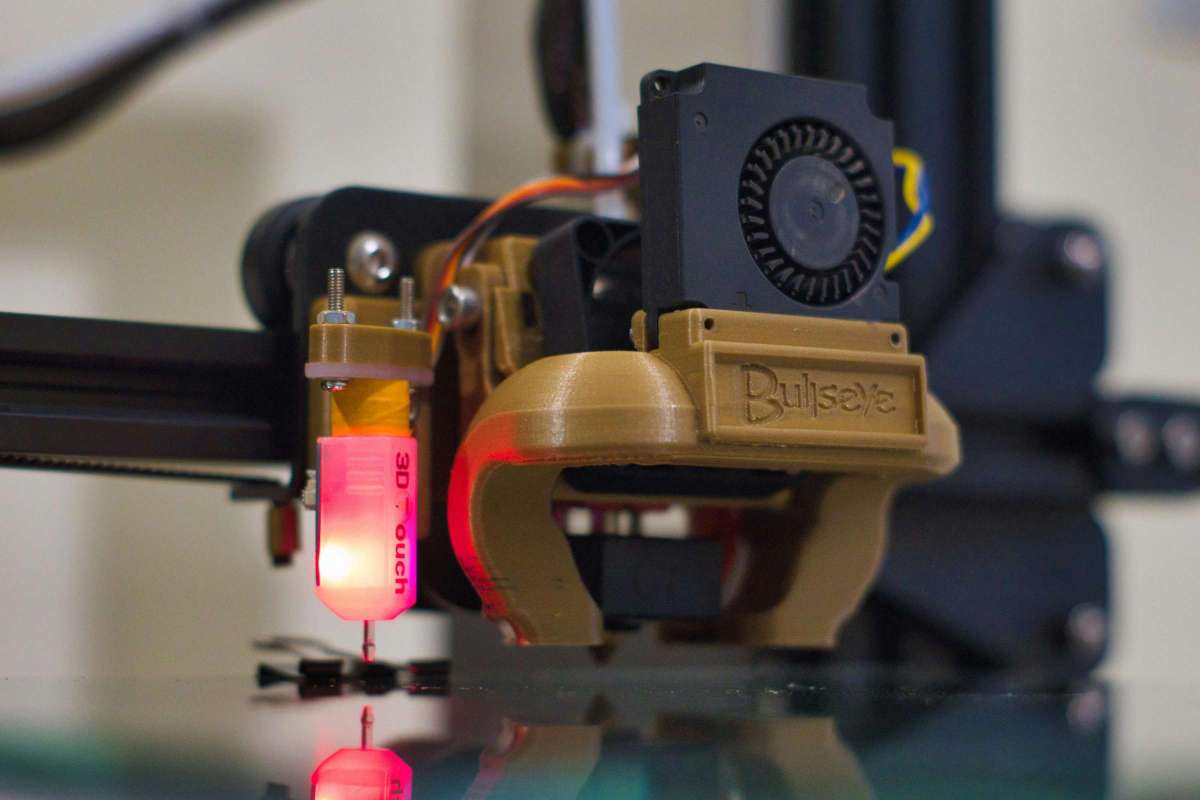
3D Printing: How It's Changing the World as We Know It
5 min read | 28 Sep 2026

Additive Manufacturing: The Technology Behind 3D Printing
6 min read | 27 Sep 2026

Industry 4.0: The Fourth Industrial Revolution Explained
6 min read | 26 Sep 2026
More Articles

How AI is Transforming Finance: From Robo-Advisors to Fraud Detection
6 min read | 21 Nov 2026

AI in Retail: How Machine Learning Is Personalizing Shopping Experiences
5 min read | 20 Nov 2026
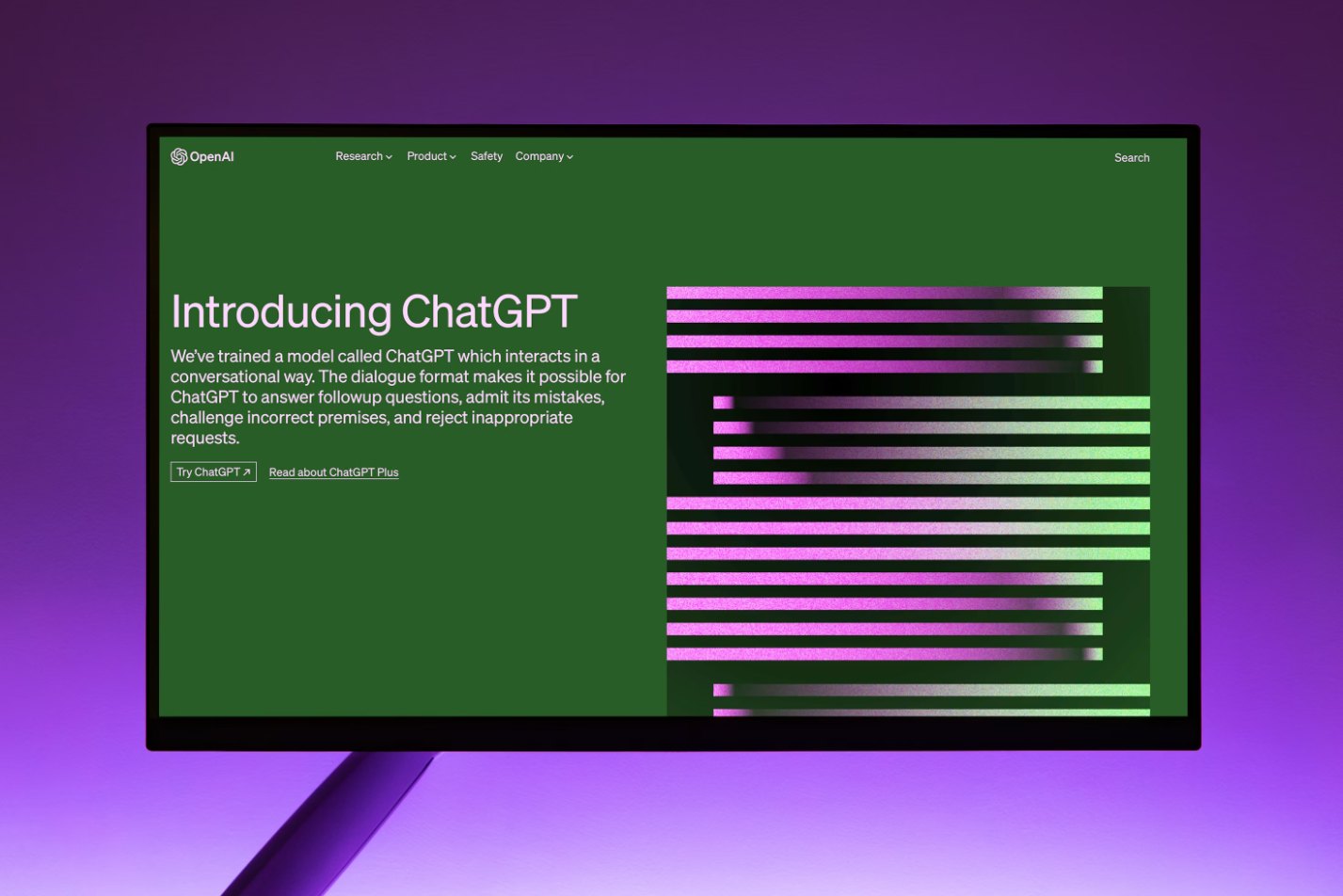
The Ethical Dilemmas of Artificial Intelligence: What We Need to Know
5 min read | 19 Nov 2026
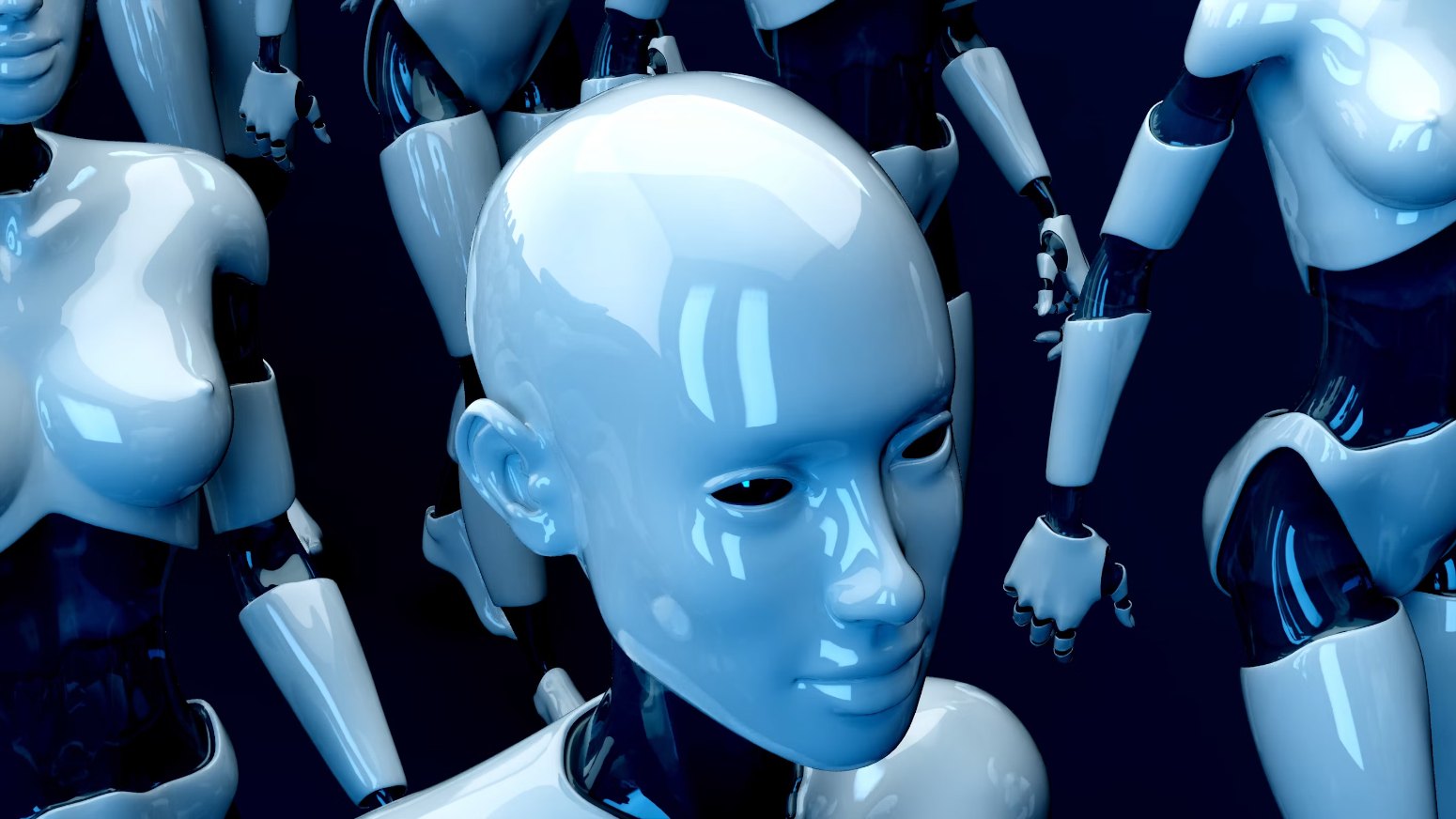
AI-Powered Personal Assistants: Are They Changing How We Work?
3 min read | 18 Nov 2026