
The Future of Biometric Security: Beyond Passwords
4 min read
27 Oct 2026
 By Wilson Baker
In an increasingly digital world, the traditional password is facing numerous challenges: it's difficult to remember, susceptible to hacking, and often inadequate for ensuring robust security. As a result, biometric security technologies are emerging as the next frontier in safeguarding sensitive information and digital identities.
Evolution of Biometric Authentication
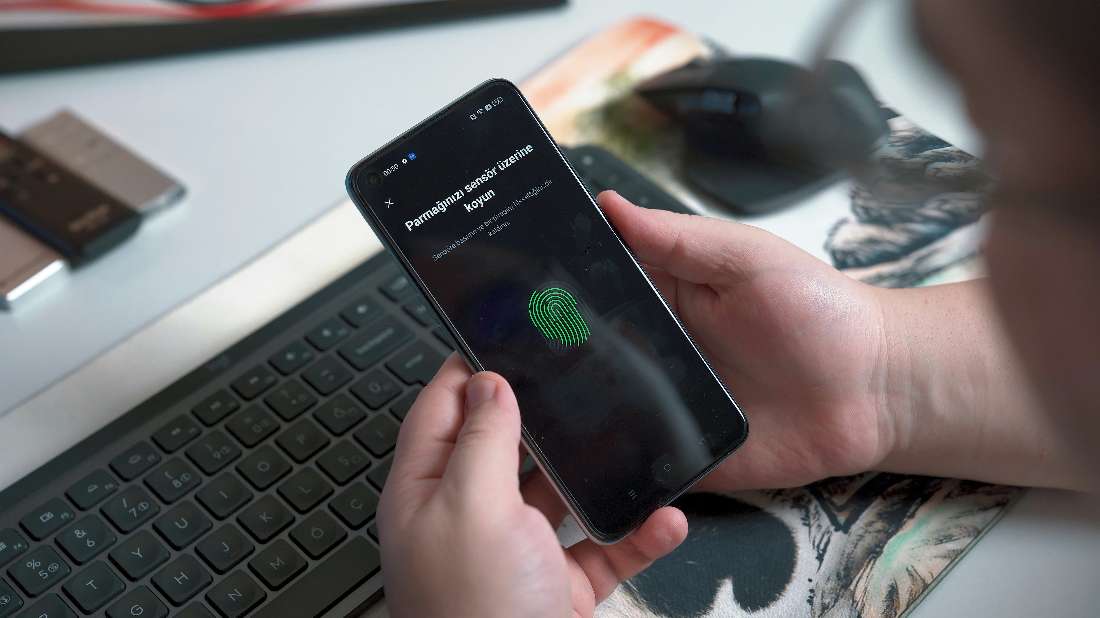
Biometric authentication utilizes unique biological characteristics such as fingerprints, facial features, iris patterns, and even behavioral traits like voice or typing patterns to verify an individual's identity. Unlike passwords, which can be forgotten, shared, or stolen, biometric data offers a more secure and convenient method of authentication.
Advancements in Biometric Technology
Recent advancements in biometric technology have significantly enhanced accuracy, speed, and reliability. High-resolution sensors and sophisticated algorithms enable precise capturing and analysis of biometric data, minimizing false positives and negatives. This makes biometric authentication not only secure but also user-friendly.
Applications Across Industries
Biometric security is already widely adopted in various industries. In banking and finance, fingerprint or facial recognition is used to authorize transactions securely. In healthcare, biometrics ensure only authorized personnel access sensitive patient records. Governments use biometrics for border control and identification purposes, enhancing security and efficiency.
Addressing Privacy Concerns
Despite its benefits, biometric security raises concerns about privacy and data protection. Biometric data, once compromised, cannot be changed like a password. Therefore, stringent regulations and encryption standards are essential to safeguard biometric information and mitigate potential risks.
Future Trends and Innovations
Looking ahead, biometric security is poised for further evolution. Advancements in AI and machine learning will enable systems to continuously improve accuracy and adaptability. Multi-modal biometrics, combining different biometric identifiers, will enhance security further by reducing vulnerability to spoofing attacks.
Challenges and Considerations
As biometric technology becomes more prevalent, interoperability among different systems and standardization of protocols will be crucial. Additionally, addressing ethical considerations such as consent, transparency, and inclusivity in biometric deployments will be essential for widespread acceptance.
Conclusion
In conclusion, biometric security represents a significant advancement in authentication technology, offering a more secure, convenient, and reliable alternative to traditional passwords. While challenges remain, ongoing research and innovation promise to make biometric authentication even more integral to our digital lives, ensuring enhanced protection of personal and sensitive information.
Biometric security is not just a futuristic concept but a rapidly evolving reality that is reshaping the landscape of digital security. As businesses, governments, and individuals embrace biometrics, the days of passwords may soon be numbered.
FAQs
More Articles

Unlocking the Potential of Data: How Blockchain Empowers Individuals
4 min read | 03 Nov 2026

Blockchain: A Force for Transparency and Accountability in the Digital Age
4 min read | 02 Nov 2026

Building the Trust Machine: How Blockchain is Revolutionizing Trust Systems
6 min read | 01 Nov 2026

From Satoshi to Society: The Rise of Blockchain and its Impact on the World
4 min read | 31 Oct 2026
More Articles
AI Ethics and Bias: Ensuring Fairness in Machine Learning
4 min read | 29 Oct 2026

Edge Computing: Decentralizing Data Processing
6 min read | 28 Oct 2026
The Future of Biometric Security: Beyond Passwords
4 min read | 27 Oct 2026

Securing Your Sanctuary: The Rise of Advanced Home Security Systems
5 min read | 26 Oct 2026